C-Frame vs H-Frame Power Press Machine: Differences, Uses & Buying Guide
Power press machines are essential equipment in modern manufacturing, used for shaping, cutting, punching, bending, and forming metal sheets with precision and speed. These machines convert mechanical or hydraulic energy into controlled force to perform repetitive industrial operations efficiently.
Choosing the right frame type is critical because it directly affects machine strength, accuracy, accessibility, and the range of applications it can handle. The two most commonly used designs—C-frame and H-frame power presses—serve different production needs.
This comparison aims to help manufacturers, workshop owners, and industrial buyers understand the differences between C-frame and H-frame power press machines, enabling them to select the most suitable option based on workload, accuracy requirements, and budget.
Power Press Machines
A power press machine is a mechanical or hydraulic machine used to apply compressive force on a workpiece through a die and punch arrangement. The machine’s ram delivers controlled pressure to shape or cut materials, typically metal sheets.
Common Applications in Manufacturing
Power press machines are widely used in industries such as:
- Automotive components manufacturing
- Electrical and electronics parts production
- Sheet metal fabrication
- Appliance and hardware manufacturing
- Tool and die workshops
Typical operations include blanking, punching, bending, embossing, coining, and shallow drawing.
- Frame: Structural body that supports the entire machine
- Ram/Slide: Moving component that applies force
- Bed: Stationary surface where the die is mounted
- Clutch & Brake: Controls motion and stopping of the ram
- Gearbox/Flywheel: Stores and transmits energy
- Motor: Powers the machine
- Die Set: Tooling used for shaping or cutting
What Is a C-Frame Power Press?
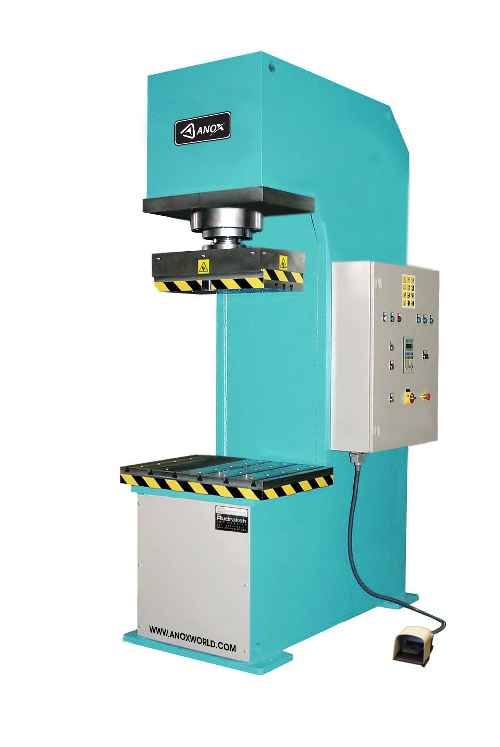
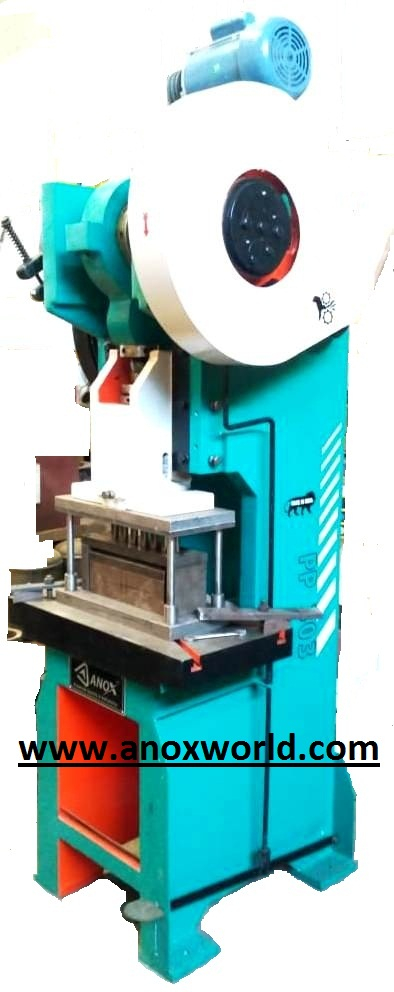
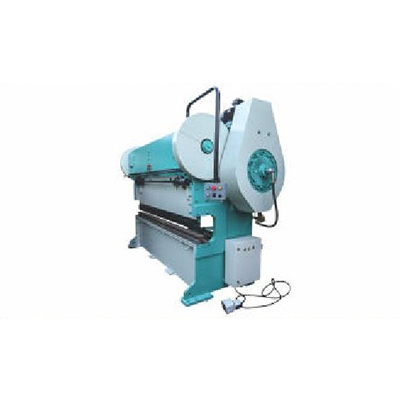
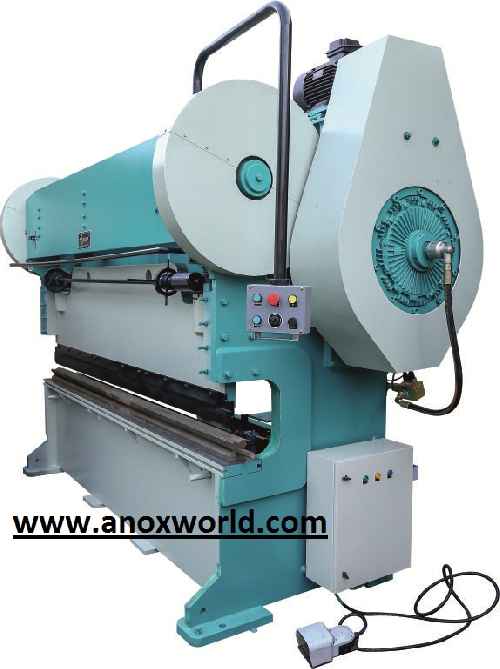
A C-frame power press, also known as a gap-frame press, has an open-front, C-shaped structure. This design allows access to the work area from three sides, making it convenient for handling smaller components and quick die changes.
Structural Characteristics
- Open throat design
- Single-sided frame support
- Compact and lightweight construction
- Typically available in low to medium tonnage ranges
Typical Uses and Industries
- Electrical components manufacturing
- Small automotive parts
- Light sheet metal work
- Job shops and tool rooms
Advantages of C-Frame Power Press
- Lighter and dynamic operation: Requires less floor space and foundation
- Better accessibility: Easy loading, unloading, and die setup
- Ideal for smaller parts and jobs: Suitable for low to medium production volumes
- Cost-effective: Lower initial investment
Limitations of C-Frame Power Press
- Lower rigidity: Frame may deflect under high loads
- Reduced accuracy for heavy work: Not suitable for tight-tolerance operations
- Not ideal for deep drawing or high-tonnage jobs: Limited structural strength
What Is an H-Frame Power Press?
Definition and Structural Description
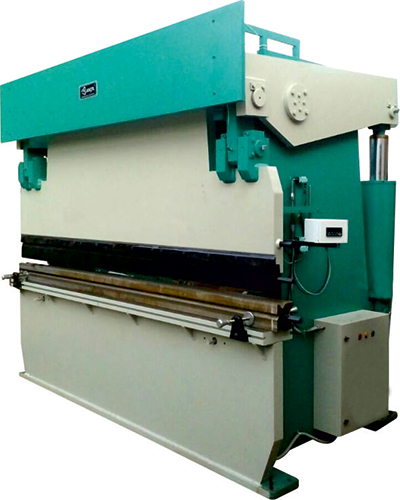
An H-frame power press features a straight-side or closed-frame construction resembling the letter “H.” The ram is supported on both sides, providing balanced force distribution and superior structural stability.
How It Differs from a C-Frame
Unlike the open design of a C-frame press, the H-frame press has a fully enclosed structure that minimizes deflection and maintains precise alignment between the ram and bed during operation.
Advantages of H-Frame Power Press
- Superior rigidity and strength: Handles high-tonnage operations effectively
- Excellent for heavy and continuous production: Ideal for deep drawing, blanking, and forming
- Better alignment and minimal deflection: Ensures high precision and tool life
- Consistent performance: Suitable for automation and progressive die applications
Limitations of H-Frame Power Press
- Heavier and bulkier: Requires more installation space and stronger foundation
- Higher cost: Greater initial investment and transportation expenses
- Reduced accessibility: Limited side access compared to C-frame presses
| Feature |
C-Frame Power Press |
H-Frame Power Press |
| Rigidity |
Moderate |
High |
| Load Capacity |
Lower |
Higher |
| Accessibility |
Excellent (three-side access) |
Good (front access) |
| Precision |
Moderate |
Excellent |
| Footprint |
Smaller |
Larger |
| Cost |
More affordable |
More expensive |
Performance & Application Considerations
Selecting the right power press frame depends heavily on operational demands and production goals.
Production Volume
- Low to medium production: C-frame presses are suitable due to quick setup and lower operating costs.
- High-volume or continuous production: H-frame presses perform better due to stability and durability.
Type of Operation
- Punching, trimming, light bending: Best handled by C-frame presses.
- Deep drawing, heavy forming, progressive die work: Requires the rigidity of an H-frame press.
Material Thickness and Tonnage Requirement
- Thin sheets and low tonnage operations work efficiently on C-frame machines.
- Thick materials and high-tonnage requirements demand H-frame presses to avoid deflection and tool damage.
Precision and Repeatability Needs
- Applications requiring tight tolerances and repeatable accuracy benefit from H-frame presses.
- C-frame presses are acceptable where moderate accuracy is sufficient.
Floor Space and Layout
- C-frame presses suit compact workshops and flexible layouts.
- H-frame presses need more space, stronger foundations, and planned installation.
Cost & Maintenance Factors
Initial Purchase Cost
- C-frame power presses have a lower upfront cost and are budget-friendly for small and medium enterprises.
- H-frame power presses are more expensive due to heavier construction and higher tonnage capability.
Operating Costs
- C-frame presses generally consume less power and have lower tooling wear for light-duty work.
- H-frame presses may have higher energy consumption but deliver better long-term value in heavy production environments.
Ease of Maintenance
- C-frame presses are easier to access for inspection and routine maintenance.
- H-frame presses require more structured maintenance but offer longer service life under heavy use.
Part Replacement and Service
- Spare parts for C-frame presses are widely available and economical.
- H-frame press components may cost more but typically have longer replacement intervals.
Safety & Ergonomics
Operator Accessibility and Safety
- C-frame presses offer excellent visibility and access, reducing handling time.
- H-frame presses provide enclosed structures that enhance operational safety in high-force applications.
Guarding and Compliance
- Both frame types can be equipped with safety guards, light curtains, and interlocks to meet industrial safety standards.
- H-frame presses are often preferred where strict safety compliance is mandatory.
Ease of Use
- C-frame presses are easier to operate and set up, especially for frequent job changes.
- H-frame presses are better suited for trained operators and automated production lines.
Buyer Decision Guide
Choose a C-Frame Power Press if:
- You handle light to medium-duty operations
- Jobs involve smaller components and frequent die changes
- Floor space is limited
- Budget is a primary concern
Choose an H-Frame Power Press if:
- You require high tonnage and structural rigidity
- Operations include deep drawing or heavy forming
- Precision and repeatability are critical
- You run high-volume or automated production lines
Checklist: Questions to Ask Before Purchase
- What is the maximum tonnage required for my operations?
- What type of material and thickness will be processed?
- Is high precision and repeatability essential?
- How much floor space and foundation support is available?
- Will the press be used for continuous or intermittent production?
- What are the long-term maintenance and service requirements?